


Why I Sell on Etsy - But Still Recommend Buying Direct
I founded Mintique of Cambridge a few years ago and set up my website for online sales, but I also sell my handmade jewellery on Etsy (and Not On The Highstreet) because they also bring customers to my door. The Etsy platform gives me access to millions of buyers who might never find my little shop otherwise.
But here's what might surprise you:
I always encourage my customers to buy directly from my website when possible because it helps small makers like me keep more of what we earn and offer better prices.
The reality is that selling on Etsy comes with significant fees that eat into every sale, and those costs often get passed on to you as the buyer. Whilst Etsy serves as my shop window to the world, there's so much happening behind the scenes that customers don't see.
I want to explain why this dual approach works for both makers and buyers. You'll learn why Etsy remains valuable for small businesses despite its drawbacks, and how choosing where to make your purchase can make a real difference to the people crafting the items you love.
How do you find an Etsy seller's website? Just Google the Etsy shop name! (Or use Bing, DuckDuckGo - whatever your preference!). You can also find it under the About section on Etsy or by checking their social channels.
Why I'm Writing This

I've been making jewellery and selling on Etsy for years now. It's been an incredible journey that's connected me with customers around the world who truly value handmade pieces.
But I've noticed something important. Many buyers don't understand what happens behind the scenes on marketplace platforms.
There's a big difference between buying on Etsy and buying directly from a maker's website. Both options support small businesses, but they work quite differently for both sellers and buyers.
As someone who uses both channels, I want to share the real story. I'll explain:
- Why I still love selling on Etsy
- How marketplace fees affect pricing
- What benefits you get from shopping direct
- When each option makes the most sense
Creative entrepreneurs face unique challenges when choosing where to sell their work. We're balancing visibility, fees, customer relationships, and so many other factors.
I'm not trying to convince you to stop using Etsy entirely. The platform has genuine benefits for both makers and shoppers. Instead, I want to give you the full picture.
My goal is simple: help you make informed decisions about where to shop for handmade goods. Whether you choose Etsy or shop directly from makers, you'll understand exactly what you're getting and why.
This transparency benefits everyone in the handmade community. Makers can build stronger businesses, and customers can get the best possible experience with their purchases.
Why I Sell on Etsy

Etsy provides unmatched access to millions of buyers whilst building trust through its established platform, and connects me with an inspiring community of fellow creators.
1. Visibility And Reach
The numbers speak for themselves - Etsy had over 93 million active buyers in 2025 searching for unique products every month. That's an enormous audience I'd never reach on my own website!
When I optimise my listings with proper Etsy SEO, my products appear in front of customers actively looking for what I make. The Etsy algorithm rewards shops that understand how to use relevant keywords and maintain good customer service.
Starting fresh with my own ecommerce platform would mean building traffic from zero. On Etsy, customers are already browsing and ready to buy.
Etsy invests heavily in marketing campaigns, including TV adverts and social media promotion. Every pound they spend on advertising benefits my Etsy shop without me lifting a finger.
The global reach is brilliant too. I've shipped to countries I'd never considered targeting, simply because international customers found my products through Etsy's search.
2. Trust And Convenience
Customers trust Etsy as an online marketplace. They know their purchases are protected and returns are handled fairly.
This trust extends to individual Etsy sellers like me. New customers feel comfortable buying from my shop because Etsy's reputation backs every transaction.
The platform handles all the technical bits I'd rather not deal with. Payment processing, security certificates, mobile optimisation - it's all sorted.
Setting up shop was ridiculously simple. I uploaded photos, wrote descriptions, and started selling within hours. Compare that to building a website from scratch.
Customer service tools are built right in. Messages, order tracking, and dispute resolution happen seamlessly through one dashboard.
3. Community And Inspiration
The community aspect keeps me motivated in ways I never expected. Etsy forums buzz with sellers sharing tips, celebrating wins, and supporting each other through challenges.
I've learned more about photography, pricing, and customer communication from other Etsy sellers than any business course could teach.
The inspiration is constant. Browsing other shops sparks new product ideas and shows me different approaches to branding and presentation.
Etsy teams - groups of sellers with similar interests or locations - create genuine connections. I've made friends who understand the ups and downs of running a creative business.
The feedback loop is immediate and honest. Customer reviews and messages tell me exactly what's working and what needs improving in my Etsy shop.
This supportive environment makes the solitary work of creating and selling feel much less lonely.
The Harsh Reality of Selling on Etsy
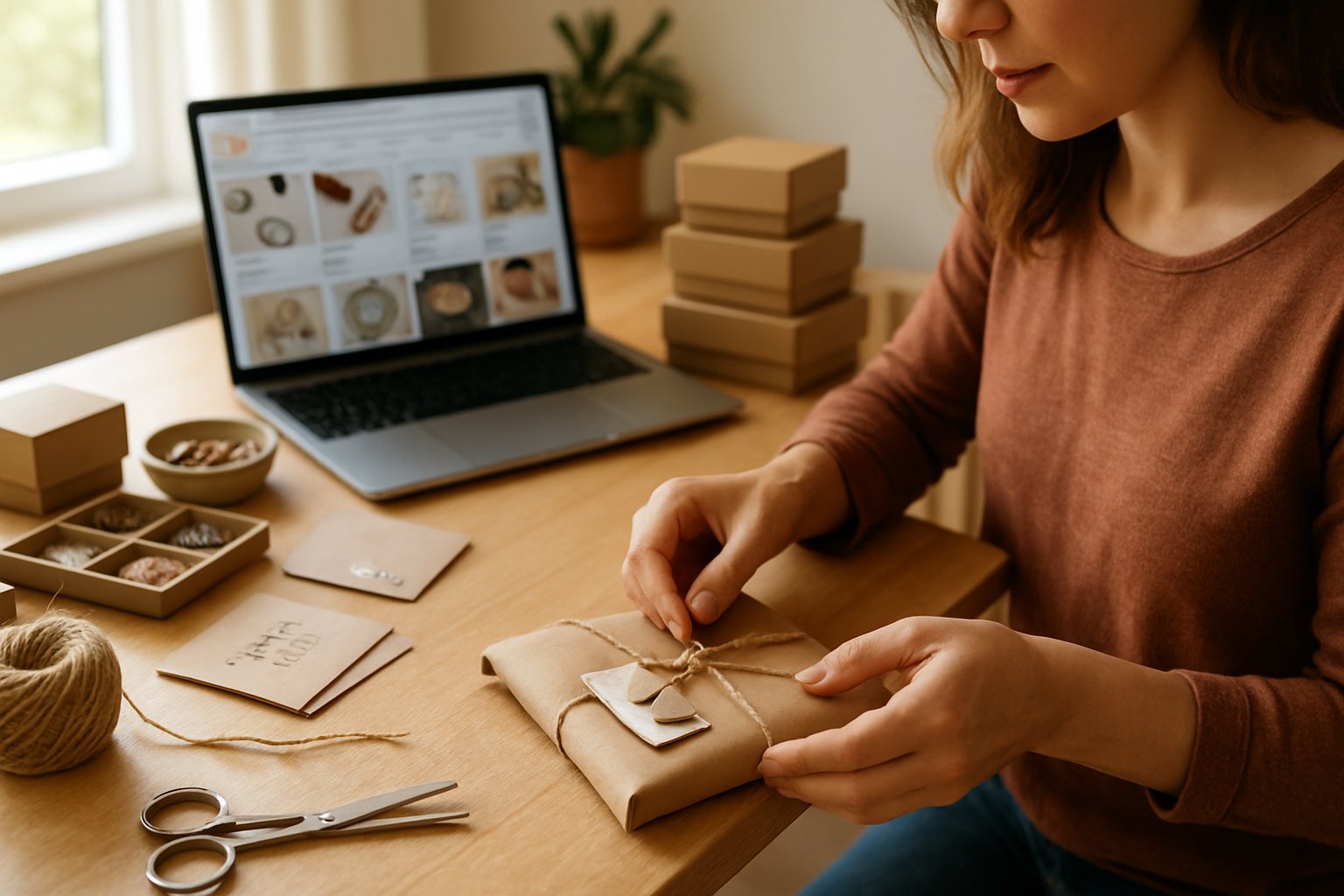
While Etsy markets itself as a simple platform for creative entrepreneurs, there are plenty of costs and limitations that can significantly impact your business success and customer relationships.
1. Fees And Commissions
The costs of selling on Etsy add up quickly beyond what you might expect. I pay a listing fee of £0.15 per item that renews every four months or after each sale.
The transaction fees jumped from 5% to 6.5% in 2022. On a £50 sale, that's £3.25 gone immediately.
Payment processing fees cost another 4% plus £0.20 per transaction. My £50 sale now loses another £2.20 (before VAT).
Here's what a typical sale breakdown looks like:
- Sale price: £50.00
- Transaction fee (6.5%): -£3.25
- Payment processing fee (4% + £0.20): -£2.20
- Total fees: £5.20
Currency conversion fees add another 2.5% if my shop currency and payment account currency differ (i.e when international customers pay). So if that same £50 item sells to a US buyer, I lose an additional £1.25.
There may also be a regulatory operating fee of 0.32% - this is charged by Etsy in some countries where local regulations mean the cost of doing business has increased.
To be fair, these costs are becoming more transparent on the Etsy seller platform, but still, many sellers don't realise they're paying over 10% of their revenue in fees before considering advertising costs or Etsy's automatic offsite ads programme.
So if I sell a £50 item in the UK via a Google Etsy ad I lose approx £13.46.
That's just £36.54 to me.
From this I need to cover costs of materials, my time, and postage + packaging (as I send items free shipping to the customer). This includes compulsory offsite ad fee (more about this below), plus other fees and VAT on fees.
2. Marketing Priorities
Etsy's search algorithm prioritises shops that spend money on their advertising platform. Organic visibility decreases if I don't participate in Etsy Ads, even when my products perfectly match customer searches. Etsy may argue that's not always the case but while ads are pushed at the top of search pages, I can tell you they do get siginificantly better visibility.
Etsy automatically enrolls sellers in offsite ads, and if a sale comes through one of those ads, Etsy charges an extra 15% for smaller sellers or 12% for higher-volume sellers.
Etsy's marketing investments benefit the platform more than individual sellers. Their advertising drives traffic to Etsy.com, where customers might browse and purchase from competitors instead of returning to my shop.
The Star Seller programme rewards metrics that don't always align with quality craftsmanship. Fast dispatch times and immediate message responses matter more than product uniqueness or customer satisfaction in their algorithm.
Etsy changes search ranking factors frequently without clear communication. What worked for visibility last month might hurt my rankings today, forcing constant adaptation to undefined rules.
New seller accounts often get temporary visibility boosts, but established shops can see traffic decline as Etsy promotes newer competition within the same categories.
3. Etsy Talent Dilution
Etsy has a branding problem as much as a pricing problem.
It presents itself as a marketplace for handmade goods and craft supplies, yet shoppers often encounter items that look suspiciously like mass-produced imports, drop-shipped stock, or generic products that could easily have come from AliExpress or a similar wholesaler.
That matters because when a cheaply made item sits next to a genuinely handmade one, the lower sticker price can make it look like the better deal, even if the quality is nowhere near comparable.
It also fuels a race to the bottom: if some sellers can list sterling silver jewellery for only a few pounds, it raises an uncomfortable question about what the item actually cost to source, and whether it was ever handmade in the first place.
That is a big part of why some genuine artists and makers have simply given up on Etsy and moved away, because they cannot compete with the flood of cheap tat ... and they don't want to be associated with it.
4. Limited Personal Connection
Etsy controls how I communicate with my customers. All messages must go through their platform, and they monitor conversations for policy violations.
I can't include my personal contact details in messages. Customers can't reach me directly via email or phone, even for custom orders that require detailed discussions.
The platform restricts what information I can share. I can't mention my own website, social media accounts, or alternative payment methods in conversations with buyers.
When customers have issues, they often contact Etsy support first rather than me. This creates a disconnect where I'm not involved in resolving problems with my own customers.
Etsy's messaging system doesn't allow file attachments beyond basic images. For custom work requiring detailed specifications or design approvals, I'm limited to describing complex ideas through text and low-resolution photos.
This barrier means I never truly own my customer relationships. If Etsy changes policies or I decide to leave, I lose access to everyone who's purchased from me.
5. Restricted Customisation
My shop must fit within Etsy's template structure. I can't fully customise the layout, colours, or navigation to match my brand aesthetic.
Product listings follow a rigid format. The photo placement, description layout, and checkout process all look identical to every other Etsy shop.
I'm limited to specific payment methods that Etsy approves. I can't offer payment plans, accept bank transfers, or use alternative payment processors that might better serve my customers.
Etsy controls my shop's URL structure. Instead of a memorable web address, customers find me at etsy.com/uk/shop/MintiqueOfCambridge, which doesn't build my brand recognition.
The platform restricts how I can organise products. Their category system might not suit my unique items, forcing me to list handmade jewellery alongside mass-produced accessories.
I can't install analytics tools or tracking pixels to better understand my customer behaviour. Etsy provides basic statistics, but I'm blocked from using more sophisticated marketing tools that could help grow my business.
Why Buying Direct Makes A Difference
When you shop directly from makers' websites instead of platforms like Etsy, you get better prices and more personalised service whilst supporting real artisans who pour their hearts into every piece.
Better Value For You
Shopping directly from crafters' websites often means lower prices for customers because there's no middleman taking fees. I've noticed many sellers offer their handmade jewellery and vintage items at reduced rates on their own sites. In fact, on my own website Mintique Of Cambridge, you will notice I price my items a little lower than the same item in my Etsy shop. Yes, I still pay fees, but they are lower then on Etsy.
The pricing strategy makes sense. When I don't have to pay Etsy's commission fees, I can pass those savings directly to you.
Many makers also offer exclusive discounts through their email marketing lists. You might find special deals on craft supplies or digital downloads that aren't available anywhere else.
Website vs Platform Pricing:
- Direct website: Lower base prices + exclusive email discounts
- Etsy: Higher prices to cover platform fees + limited discount options
Clearer pricing on websites means what you see is what you get. No more discovering the advertised price only covers the cheapest variation after clicking through.
More Choice And Customisation
Direct websites give you access to more products and services that platforms often restrict. I can offer wholesale pricing, custom sizing, and work with specialty vendors that Etsy doesn't approve.
Vintage sellers particularly benefit from this freedom. They can showcase rare finds without worrying about category restrictions.
What you get direct:
- Custom orders with flexible specifications
- Wholesale options for bulk purchases
- One-off vintage items with unique pricing
- Services that platforms prohibit
Many crafters can't even tell you about website options if you contact them through Etsy first. The platform's policies prevent us from directing you elsewhere during initial conversations.
Personal Service
Direct communication transforms you from a random customer into a valued client. When you reach out through my website contact form, I can offer personalised attention without platform restrictions.
I love building relationships with people who take time to visit my website. You get to learn my story, see my process, and understand the passion behind each handmade product. Oh, and we can work closely together to bring your vision to life!
Benefits of direct contact:
- Immediate responses to questions
- Custom project consultations
- After-sale support and care instructions
- Building long-term relationships
The experience feels more intimate and genuine. Instead of competing with thousands of other sellers for attention, I can focus entirely on your needs.
Supporting Independent Craftsmanship
Shopping direct ensures you're supporting authentic handmade businesses rather than mass-produced items masquerading as handcrafted. Every purchase goes directly to the maker without platform fees eating into our profits.
This matters enormously for small businesses. When you buy from my website, I keep more money to reinvest in quality materials and developing new products.
You also avoid the confusion of Etsy's algorithm showing you competing products that might not actually be handmade. My website guarantees everything is genuinely crafted by me with meticulous care.
Trust indicators on direct sites:
- Clear maker stories and processes
- Detailed material sourcing information
- Behind-the-scenes photos and videos
- Direct accountability for quality
Vintage sellers particularly benefit from this trust factor. You know you're getting authentic pieces rather than reproductions marketed as vintage finds.
My Promise As A Maker
Every single piece that leaves my workshop carries the same dedication, whether it finds you through Etsy or my own website. I pour the same love into each creation.
My commitment to you remains constant:
- Hand-selected materials for every project
- Careful attention to each detail
- Personal quality checks before dispatch
- Authentic craftsmanship, never mass-produced
When you purchase directly from my site, something special happens. You become part of my close-knit community of customers who I genuinely get to know.
I can send you personal thank-you notes. I remember your preferences for future pieces. Sometimes I'll drop you a line about new collections before anyone else sees them.
What this means for you:
| Direct Purchase | Through Etsy |
|---|---|
| Personal updates | Standard service |
| Priority access to new pieces | Regular notifications |
| Direct communication with me | Platform messaging |
| Tailored recommendations | General catalogue |
This isn't about the money, though supporting small makers directly does help us thrive. It's about connection.
Your trust in my work means everything. Whether you find me through Etsy's marketplace or my website, I promise the same quality and care in every piece.
But buying direct? That's when our real friendship begins.
Final Thoughts
Etsy opened doors I never knew existed. It connected me with customers from around the world who appreciate handmade jewellery.
But the real magic happens when we move beyond the marketplace. Direct purchases create genuine relationships between maker and customer.
When you buy from my website, I keep more of what you pay. This means I can:
• Invest in better materials • Spend more time perfecting each piece
• Offer you fairer pricing
The personal touch matters too. I can answer your questions directly, share the story behind each design, and even create custom pieces that fit your vision perfectly.
Etsy fees and algorithms can sometimes get in the way of that connection. Competition continues to increase on the platform, making it harder for small makers to stand out.
Your support means everything to an independent artisan. Every direct purchase helps me continue crafting rings that celebrate your unique story.
Whether you found me through Etsy or elsewhere, I'm grateful you're here. Each coin ring I create carries the history of its metal and the promise of your future adventures.
Ready to find your perfect piece? Browse my collections and discover my values when I created my business my Cambridge studio.


